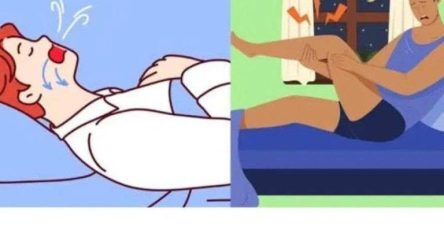
You may have tried to ignore a cramp, thinking it would eventually go away. Bad idea! Here are common mistakes and what you can do to avoid them.
Mistake: Staying still
Your natural reflex may be to not move, but this often prolongs the pain.
Solution: Gently stretch the affected muscle.
f the cramp affects your calf, bend your foot toward your knee to relax the muscle.
Mistake: Neglecting hydration
Dehydration is one of the main causes of night cramps. Yet many people underestimate the need for water, especially in the winter.
Solution: Drink water regularly throughout the day, even if you don’t feel thirsty. Proper hydration helps prevent muscle cramps.
Mistake: Ignoring mineral deficiencies
A deficiency in magnesium, potassium, or calcium can promote cramps. However, these essential minerals are sometimes insufficient in an unbalanced diet.
Solution: Add mineral-rich foods to your diet:
If a cramp wakes you up in the middle of the night, take these steps to relieve it immediately:

Sit on your bed, straighten your affected leg, and gently bring your foot up to stretch your calf muscle.
Massage the affected area in a circular motion to relax the tight muscle.
Tip: Use a warming oil or cream to enhance the relaxing effect.
Hot or cold compresses
Apply a warm compress to promote muscle relaxation.
If the pain persists, use a cold compress to reduce inflammation.
How to prevent night cramps daily?
If cramps regularly disturb your sleep, adopt these simple habits to limit their occurrence:
Warming up before bed
A few minutes of gentle stretching, focusing on your calves and thighs, can make all the difference.
Stay hydrated
Drink water throughout the day. Proper hydration reduces the risk of muscle cramps at night.
Balanced diet
Eat a diet rich in magnesium, calcium, and p